
2026-04-22
Technical Points and Economic Analysis of Dry Extrusion Granulation Process
Principle of Dry Extrusion Granulation
Fertilizer dry extrusion granulation is a typical dry forming process, without the addition of water or steam. Its core principle is to use mechanical pressure to rearrange and interlock powdered fertilizer particles under high pressure, forming dense flakes or strips of material, which are then crushed and screened to obtain the finished granules.
The working process is as follows: Uniformly mixed powdered raw materials are fed between two relatively rotating rollers through a forced feeding device. The surfaces of the two rollers have regularly arranged pits or die holes. Under linear pressure of up to tens of tons, the material is pressed into the pits and solidified. The material exiting the rollers is in the form of flakes or elliptical granules. After being broken up by a crusher, it enters a screening machine. Qualified granules proceed to the next process, while fine powder is returned to the system for re-extrusion.
Throughout the entire process, the material temperature only rises slightly, without any chemical changes or nutrient loss, making it a green and energy-saving granulation method.
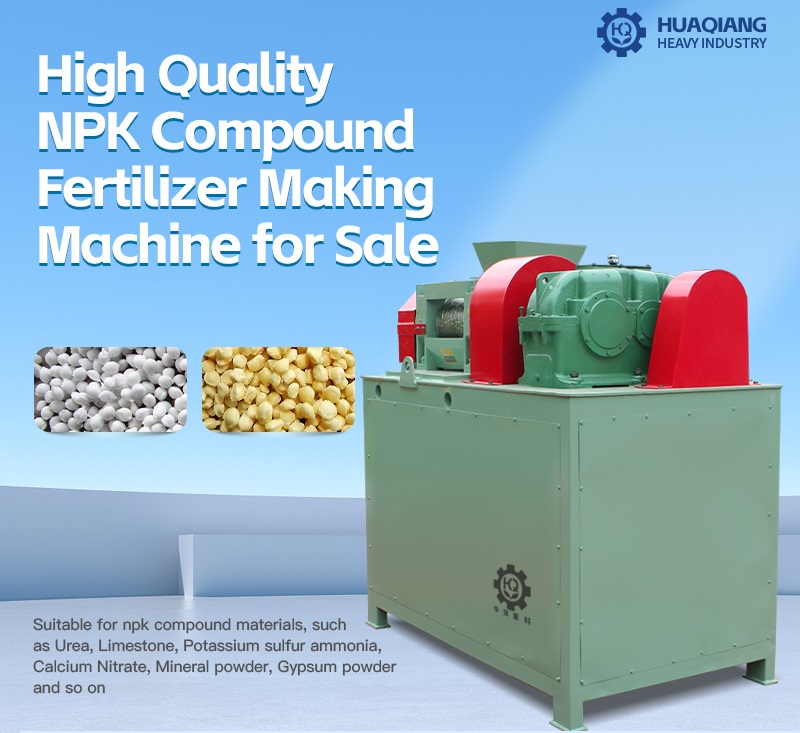
Key Features of Double Roller Extrusion Granulators
Double roller extrusion granulators are gaining increasing attention in fertilizer production, primarily due to the following features:
Waterless Operation:Completely eliminates the need for added water or steam, removing drying and cooling processes. This translates to approximately 30% lower energy consumption for the entire production line, and eliminates the need for hot air furnaces, drying drums, and dust removal systems, significantly reducing equipment investment and maintenance costs.
Controllable Particle Strength:The hardness and crush resistance of the particles can be altered by adjusting the pressure of the hydraulic system. Generally, higher pressure results in denser, stronger particles, but also increased equipment wear.
High Adaptability:Capable of handling materials with poor flowability or high hygroscopicity, normal production is possible as long as the material moisture content is controlled below 3%. The roller surfaces can be coated with stainless steel or alloy wear-resistant layers to extend service life.
Low Operating Costs:The main wear parts are the pitted layers on the roller surface, with a replacement cycle typically of 3000-5000 hours. The overall power consumption is lower than that of wet granulation systems. Applicable Materials and Core Advantages
Double-roller extrusion granulation is particularly suitable for the production of the following types of fertilizers:
Potassium fertilizers: Potassium chloride, potassium sulfate, potassium nitrate, etc. These materials are easily dissolved or clump when exposed to water. Dry extrusion can maintain their original chemical properties while obtaining granules of moderate strength.
Compound fertilizer and BB fertilizer base materials: For formulations with moderate nitrogen content (<25%), extrusion granulation can produce base granules with good sphericity and easy mixing.
Water-soluble fertilizers: Water-soluble fertilizers containing macro-elements, potassium dihydrogen phosphate, etc. Wet granulation introduces moisture, leading to premature dissolution, while dry extrusion completely avoids this problem, and the finished product dissolves quickly and leaves no residue.
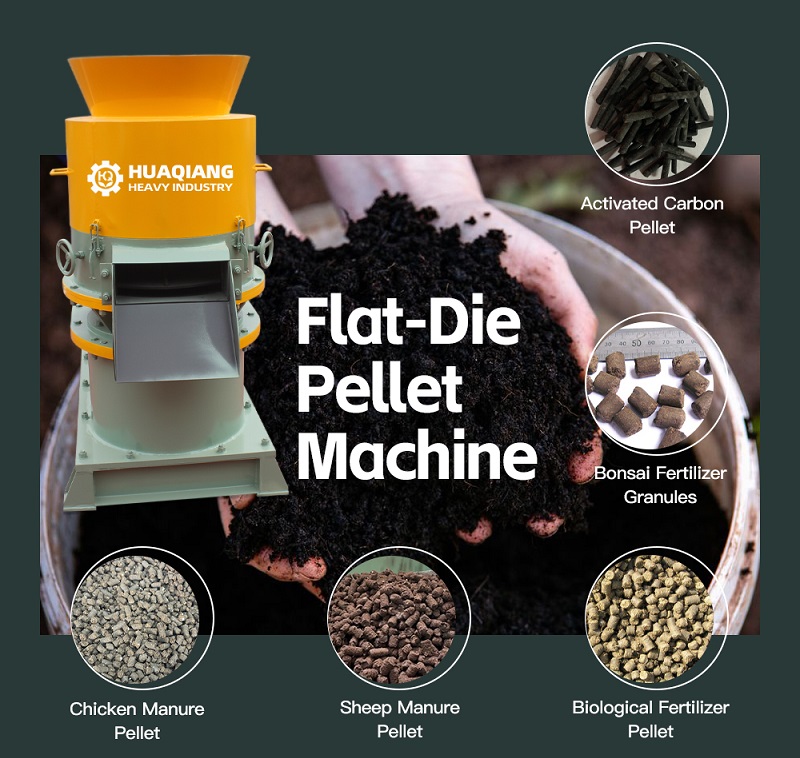
Organic-inorganic compound fertilizers: After adding inorganic nutrients to organic materials, extrusion granulation can effectively overcome the problems of poor viscosity and difficulty in pelletizing organic matter.
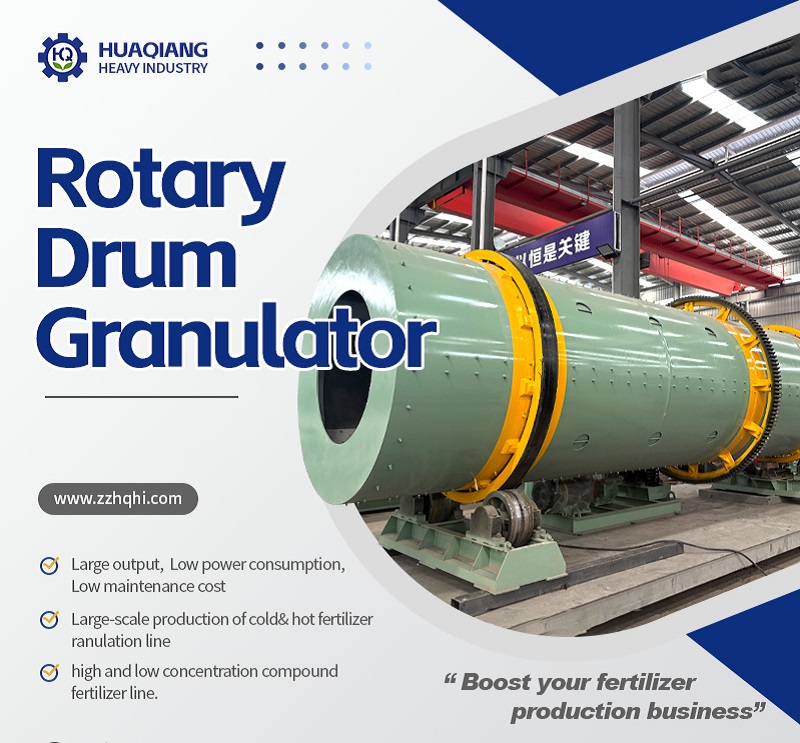
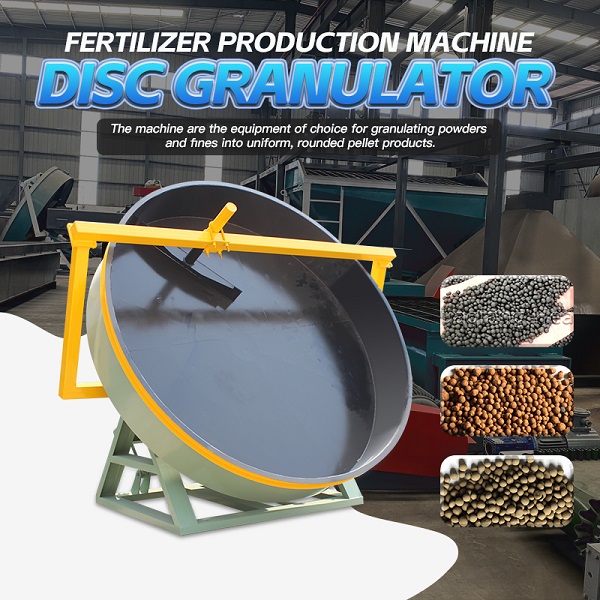
Compared to drum granulation and disc granulation, the biggest advantage of dry double-roller extrusion is the simplification of the process. A complete extrusion granulation production line requires only four main pieces of equipment: a mixer, an extruder, a crusher, and a screening machine. It occupies a small area and requires few personnel, making it particularly suitable for small to medium-sized fertilizer plants with an annual production capacity of 10,000 to 50,000 tons. Of course, extrusion granulation also has limitations—the roundness of the finished granules is slightly inferior to that of wet granulation, and the appearance is irregular and polyhedral. However, for most field crops, this difference does not affect the effectiveness. The key to selecting suitable extrusion granulation equipment lies in determining the roller pressure and speed parameters based on the characteristics of the raw materials and the target particle strength.
The dry extrusion granulation process is a prime example of fertilizer granules compaction, distinct from the wet agglomeration of a rotary drum granulator. As a fertilizer compactor, the double roller press granulator is the core of a dry npk fertilizer production line. This technology is a significant part of the modern npk fertilizer manufacturing process. It's important to understand its place within the broader fertilizer production machine technology landscape. The fertilizer compaction machine is also a key member of the organic fertilizer granulator series when producing organic-inorganic blends. The double roller press granulator offers distinct advantages: it handles dry raw materials (moisture ≤5%), eliminates the need for drying, and produces high-strength granules. The key parameters—pressure, speed, and gap—must be precisely controlled. The process is particularly suitable for potassium fertilizers, water-soluble fertilizers, and organic-inorganic blends. The choice between a pure blending line and a full granulation line using a fertilizer compaction machine is strategic. Blending offers the lowest-cost entry point, while granulation provides superior product physical properties and is the key to advanced fertilizer production machine technology. For small to medium-scale fertilizer plants with an annual capacity of 10,000 to 50,000 tons, the dry extrusion line offers a perfect balance of low investment, energy efficiency, and product quality.