
2026-09-28
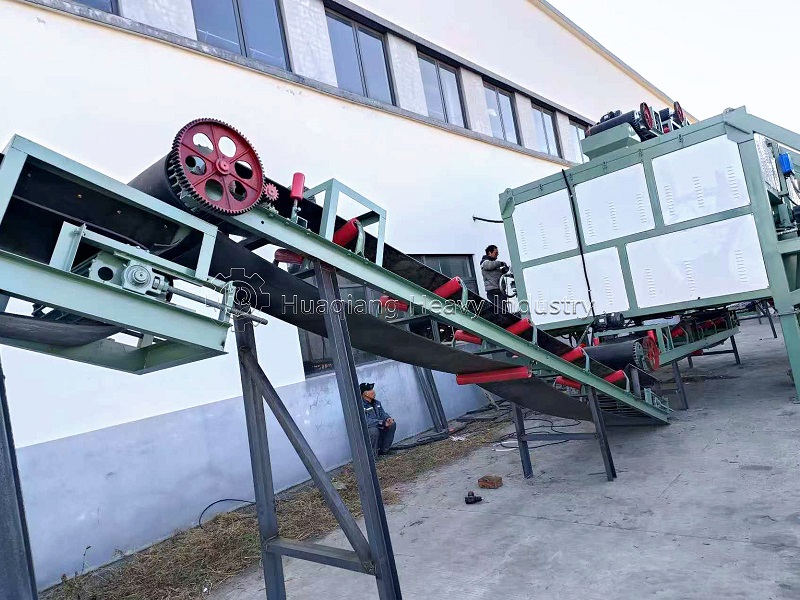
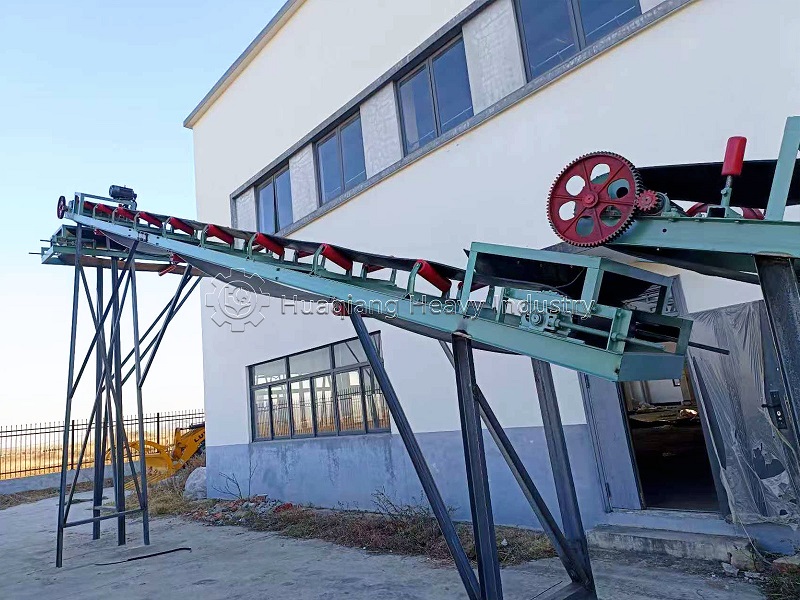
On January 7, 2026, at the Nanjing organic fertilizer production line fermentation tank installation site, technicians were positioning the tank and connecting the pipelines for a closed-loop high-temperature aerobic fermentation system. This is a complete set of organic fertilizer fermentation tank equipment shipped to Nanjing at the beginning of 2026 to treat livestock and poultry manure from surrounding large-scale farms.
I. Project Background: The Manure Treatment Challenge in the Suburbs of the City
Nanjing is surrounded by a high density of large-scale farms, resulting in significant pressure on livestock and poultry manure treatment. Furthermore, the project is located in the suburbs, where environmental protection requirements for odor, dust, and noise are extremely stringent. Traditional open-air windrow fermentation methods require large land areas and result in odor overflow, making it difficult to meet the environmental standards of the surrounding urban areas. The project team ultimately chose a closed-loop organic fertilizer fermentation tank to achieve on-site harmless treatment and resource utilization of manure in a fully enclosed manner.
II. Equipment Features: Three Core Design Elements of Closed-Loop High-Temperature Fermentation
This fermentation tank adopts a fully enclosed high-temperature aerobic fermentation process, with its core design revolving around three dimensions. First, the tank is completely sealed, preventing odor leakage during fermentation. A centralized waste gas collection and deodorization purification system addresses odor and dust pollution at the source. Second, intelligent temperature control and automatic stirring allow the system to automatically control feeding, fermentation, ventilation, and temperature, ensuring stable temperature rise even in low-temperature winter conditions, guaranteeing complete harmless material treatment. Third, compact footprint: compared to traditional trough fermentation, the vertical tank has a high degree of standardization and a small footprint, making it suitable for compact factories in suburban areas.
III. Installation Site: From Tank Placement to System Integration
At the installation site, technicians first re-measured the foundation to ensure the tank axis coincided with the foundation centerline. Then, a crane was used to smoothly position the tank and initially secure it with anchor bolts. After the tank was in place, the feeding system, ventilation ducts, deodorization device, and electrical control cabinet were connected sequentially. Technicians will conduct item-by-item debugging of the sealing performance, temperature control accuracy, and stirring system, and train the customer's operators to ensure the production line quickly enters a stable operating state.
IV. Project Significance: Closed-Loop Practice of Planting-Livestock Cycle
After the fermentation tank is put into operation, it can mix and ferment chicken manure, cow manure, and pig manure from surrounding farms with straw as auxiliary material, converting them into commercial organic fertilizer, realizing a closed-loop planting-livestock cycle of "livestock farming—manure—fertilizer—planting." For the Nanjing area, this is not only an environmental protection project for livestock and poultry manure treatment, but also a concrete practice to promote the green transformation of agriculture and reduce the use of chemical fertilizers.
The installation site of the fermentation tank for the Nanjing organic fertilizer production line on January 7, 2026, marks the official entry into the implementation phase of this closed-loop high-temperature fermentation system. With the progress of installation and commissioning, this equipment will become a key node in Nanjing's planting-livestock cycle industrial chain.