
2026-07-02
In fertilizer production lines, bucket elevators are key equipment for vertical material conveying. Common drive methods include belt elevators and chain elevators. Incorrect selection can lead to frequent downtime, bucket detachment, or excessive energy consumption. This article compares two elevators from three dimensions: lifting height, material abrasion, and maintenance frequency, to help users make informed decisions.
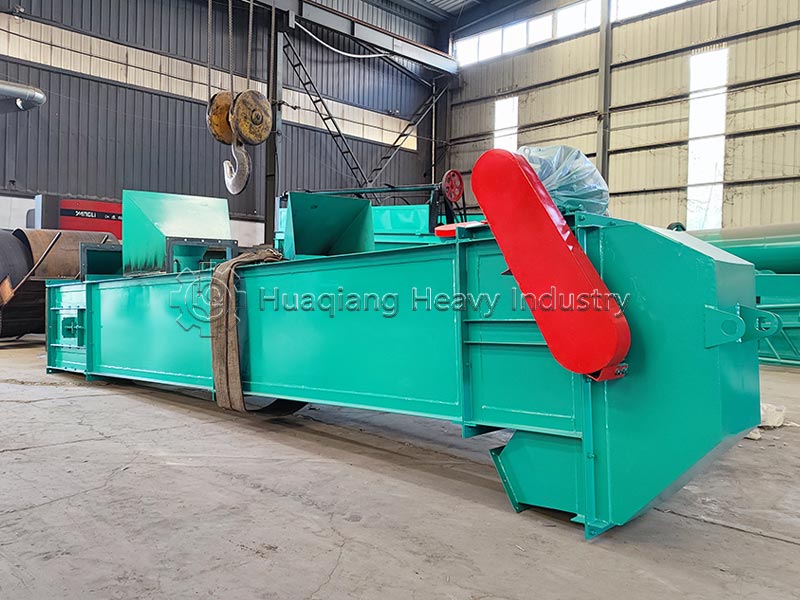
I. Lifting Height: Belt Elevators are Superior, Chain Elevators are Limited
Belt Elevators: Use high-strength rubber or polyester canvas belts with tensile strengths of 200-500 N/mm. Single-unit lifting heights typically reach 30-50 meters or even higher. Suitable for continuous conveying from the ground to high towers in large compound fertilizer plants. Belts have good elasticity and buffer against impact loads.
Chain Elevators: Use forged chains or plate chains. Single-unit lifting heights generally do not exceed 25 meters. Beyond this height, the chain's weight increases significantly, leading to excessive load on the lower sprockets and accelerated chain elongation. For low-ceiling workshops with a height of 15 meters or less, chain conveyors remain reliable.
Selection Recommendation: For lifting heights >25 meters, belt conveyors are preferred; for heights <15 meters and compact requirements, chains can be used.
II. Material Abrasion: Chains are wear-resistant, belt conveyors are susceptible to scratches. The abrasion levels of fertilizer raw materials and finished products vary greatly.
Belt Conveyor: The buckets are bolted to the belt, suitable for conveying materials with low abrasiveness, such as granulated compound fertilizer and organic fertilizer granules. If conveying raw materials containing hard particles such as sand, gravel, or phosphates, the belt edges are easily scratched, and the bucket back plate will also wear down the belt surface, leading to premature belt breakage.
Chain Conveyor: The chain is made of alloy steel (40Cr or 20CrMnTi), surface carburized and quenched, with a hardness of HRC50-55. It can withstand highly abrasive materials such as phosphate rock powder, potassium salts, and unscreened return material. The meshing method between the sprocket and chain allows for the passage of small amounts of hard foreign objects.
Selection Recommendations: For conveying powdery or hard-particle raw materials, choose chains; for conveying finished granules with low breakage requirements, choose belts.
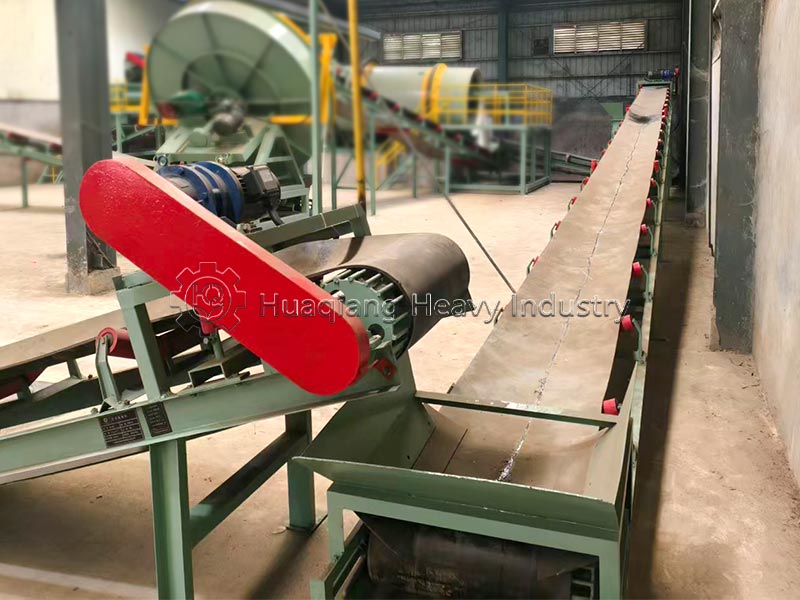
III. Maintenance Frequency: Chains require frequent maintenance, belts offer less hassle.
Belt Elevators: Under normal operating conditions, belts have a lifespan of 2-4 years. Main maintenance items include periodic tensioning (using screws or gravity tensioning) and checking for loose bucket bolts. The disadvantage is that belt replacement is complex if it breaks (requiring disassembly of all buckets).
Chain Elevators: Chains require weekly lubrication (dripping oil or applying grease), and the tensioning device needs adjustment every 3-6 months to compensate for chain elongation. Worn chain pins increase the pitch, leading to chain skipping or even breakage. On average, the chain and sprockets need to be replaced annually. Maintenance frequency is significantly higher than belts.
Selection Recommendations: For companies prioritizing low maintenance and continuous production, belts are preferred; if there is existing experience in chain lubrication management, chains can be chosen.
IV. Other Comparative Factors
Temperature Resistance: Belts generally withstand temperatures ≤80℃ (high-temperature belts can reach 120℃), while chains can withstand temperatures above 150℃, suitable for conveying hot materials at the dryer outlet.
Explosion-proof Requirements: In areas with dust explosion risks, anti-static belts or all-steel chains should be selected, and anti-reverse and explosion-proof motors should be installed.
Cost: For the same specifications, the price of a chain elevator is approximately 10%-15% lower than that of a belt elevator, but the long-term maintenance cost is higher.
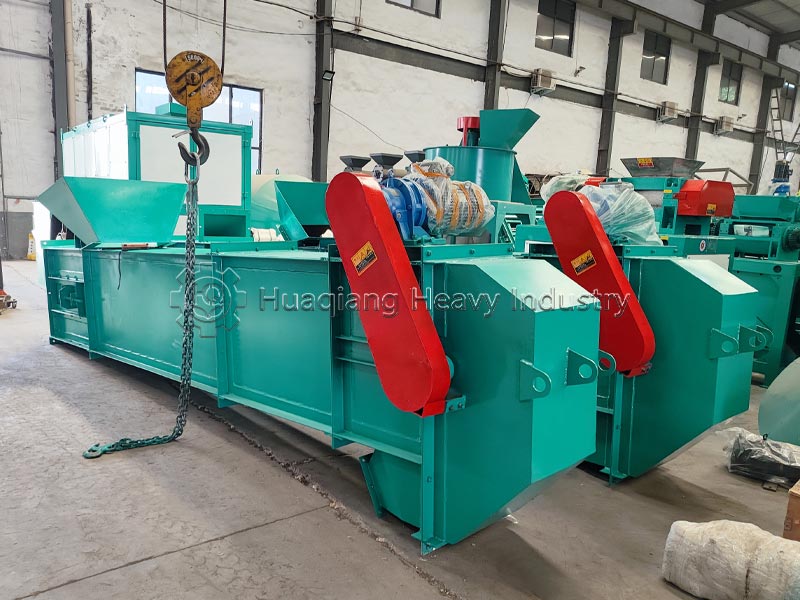
Summary: Quick Selection Table (Text Version)
Belt Elevator: Suitable for high lifting (>25m), low-abrasion materials (finished granules), situations with limited maintenance resources, and ambient temperatures ≤80℃.
Chain Elevator: Suitable for low lifting (<15m), high-abrasion materials (mineral powder, potassium salts), high temperatures (>100℃), and workshops with existing lubrication systems.
It is recommended that users provide material characteristics (hardness, temperature, humidity) and lifting height before purchasing, so that the equipment supplier can calculate and select the appropriate model. Choosing the right equipment can extend the lifespan of your bucket elevator by 3-5 years and significantly reduce the risk of unplanned production line downtime. We specialize in the R&D and manufacturing of bucket elevators for fertilizer production lines, covering both belt and chain systems—from 30-meter high-altitude conveying to high-temperature and wear-resistant applications. Our professional team will tailor the selection to your specific needs, ensuring your vertical conveying system is stable, efficient, worry-free, and durable.
The choice between belt and chain bucket elevators is not an isolated decision—it must align with the specific demands of your overall fertilizer production process. For high‑lifting, low‑abrasion finished granules, belt elevators ensure gentle handling and preserve fertilizer granules compaction achieved upstream by rotary drum granulator or organic fertilizer granulator series equipment. Conversely, when conveying abrasive raw materials such as phosphate rock or potassium salts, chain elevators provide superior durability, safeguarding the integrity of the npk fertilizer manufacturing process from npk fertilizer formula processing through granulation. The elevator is the vertical artery of any npk fertilizer production line, connecting batching, mixing, granulation (whether by fertilizer compactor for dry extrusion or drum for wet granulation), drying, and screening. For downstream blending, a bulk blending (BB) fertilizer line relies on consistent, dust‑free material flow—which is directly influenced by elevator type and maintenance. Ultimately, the correct selection, guided by lifting height, material abrasiveness, and maintenance capacity, ensures uninterrupted operation across the entire npk fertilizer manufacturing technology chain. By matching the elevator to your material characteristics and process layout, you can extend equipment life by 3‑5 years, reduce unplanned downtime, and achieve stable, high‑quality output—from raw material intake to finished product packaging.