
2026-06-29
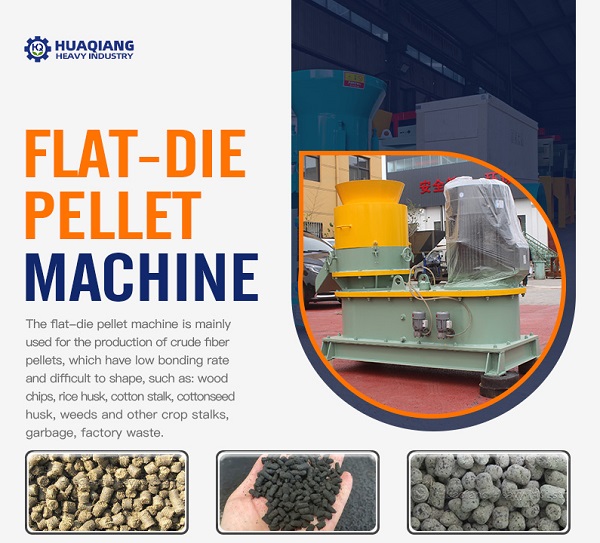
A flat die pellet machine is a mechanical device based on extrusion molding technology that processes powdery or fibrous materials into cylindrical granules. This equipment is mainly used for (biological) organic fertilizer and livestock feed processing, producing pelleted feed and organic fertilizer. The flat die pellet machine uses a low-temperature extrusion cutting process, eliminating the need for drying and crushing raw materials before granulation. It can directly process materials into cylindrical granules, thus saving significant energy.
I. Product Features: Why it's Suitable for Columnar Organic Fertilizer Production
Columnar granules, with a regular shape. The granules produced by the flat die pellet machine are cylindrical, with diameters ranging from 3 to 50 mm. The length of the cylindrical granules can be controlled by adjusting the cutter, and the cut granules are fed out via a discharge disc. If round granules are required, a polishing device can be connected to roll the cylindrical granules into balls in one pass.
Direct granulation of high-moisture raw materials. Conventional granulation processes require pre-drying of raw materials, while the flat die pellet machine can directly process fermented organic materials with a moisture content of 20%-40%. Various organic raw materials, such as chicken manure compost, humic acid, straw powder, mushroom residue, and wood ash, can be flexibly processed.
High granulation rate and high strength. The flat die pellet machine achieves a granulation rate of over 90% and a pelletizing rate of over 95% in a single pass. The granules have a compressive strength greater than 8 Newtons and can be screened immediately after granulation without additional reinforcement.
Pure organic granulation, no binder required. Utilizing the characteristic of organic particles interlocking and growing under force, no binder is needed during granulation, achieving granulation of up to 100% pure organic matter.
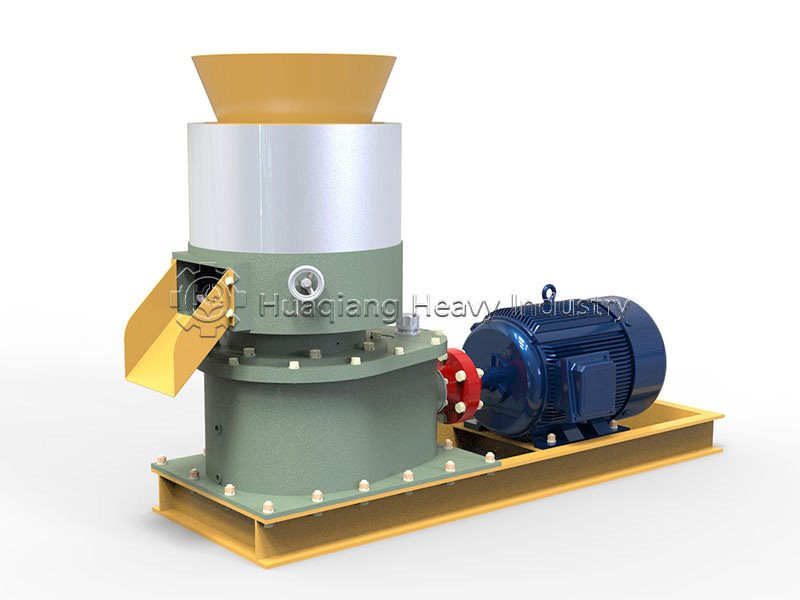
Energy-saving, low consumption, and small footprint. The equipment adopts a pressure roller design, with both ends aligned with the inner and outer rings of the die, avoiding misalignment friction and reducing kinetic energy loss. The equipment occupies only 2-3 square meters, consuming approximately 50-80 kWh per ton of granules produced.
II. Mold Replacement Tutorial: Six-Step Operation Guide The mold of the flat die pellet machine is a core, easily worn component. Long-term pressure wear between the pressure roller and the flat die gradually increases the gap and reduces pressure, directly affecting granulation quality. The following steps must be followed when replacing the mold:
Step 1: Shutdown and Preparation. Completely disconnect the power supply and wait for the equipment to cool to room temperature. Prepare the new mold, special tools, and lubricating grease. The new mold can be preheated to 50-60℃ before use to reduce installation difficulties caused by thermal expansion and contraction.
Step 2: Remove the Machine Housing. The flat die is installed inside the machine housing; the housing must be removed before replacement.
Step 3: Disassemble the Pressure Roller Assembly. Remove the upper pressure roller assembly, taking care to protect the roller surface from impacts.
Step 4: Remove the Old Mold. Loosen the locking parts and slowly remove the old mold, avoiding impacts that could damage the cavity and mating surfaces.
Step 5: Install the New Mold. Visually inspect the new mold to ensure there are no defects such as deformation or cracks. Install the new mold in place and tighten it. Note: The new mold must be used with a new pressure roller. Step 6: Adjust the pressure roller gap. Loosen the pressure roller adjusting bolts, measure the gap with a feeler gauge, and slowly adjust it to 0.3-0.5mm, ensuring uniform gap on both sides (deviation ≤0.1mm). After tightening the bolts, run the machine idle for 30 seconds to confirm there is no friction noise.
III. Expert Advice (FAQ)
Q: What is the difference between a flat die pellet mill and a ring die pellet mill?
A: Flat die pellet mills use vertical feeding and low-speed operation, resulting in a low breakage rate, making them particularly suitable for coarse fibrous materials such as organic fertilizers. Ring die pellet mills have a higher output and are suitable for large-scale industrial production. Flat die pellet mills are more tolerant of high-moisture raw materials.
Q: What is the most suitable moisture content for the raw material?
A: Flat die pellet mills are suitable for raw materials with a moisture content of 12%-28%, and some equipment can handle high-moisture materials with a moisture content of 20%-40%.
Q: How often should the die be replaced?
A: It depends on the production intensity and the abrasiveness of the raw material. Generally, the die wear should be checked every 3-6 months of continuous production, and it should be replaced promptly if the wear is severe.
Q: Can columnar granules be turned into round ones?
A: Yes. flat die pellet machines can be connected to polishing equipment, using centrifugal force to roll columnar granules into balls in one pass.
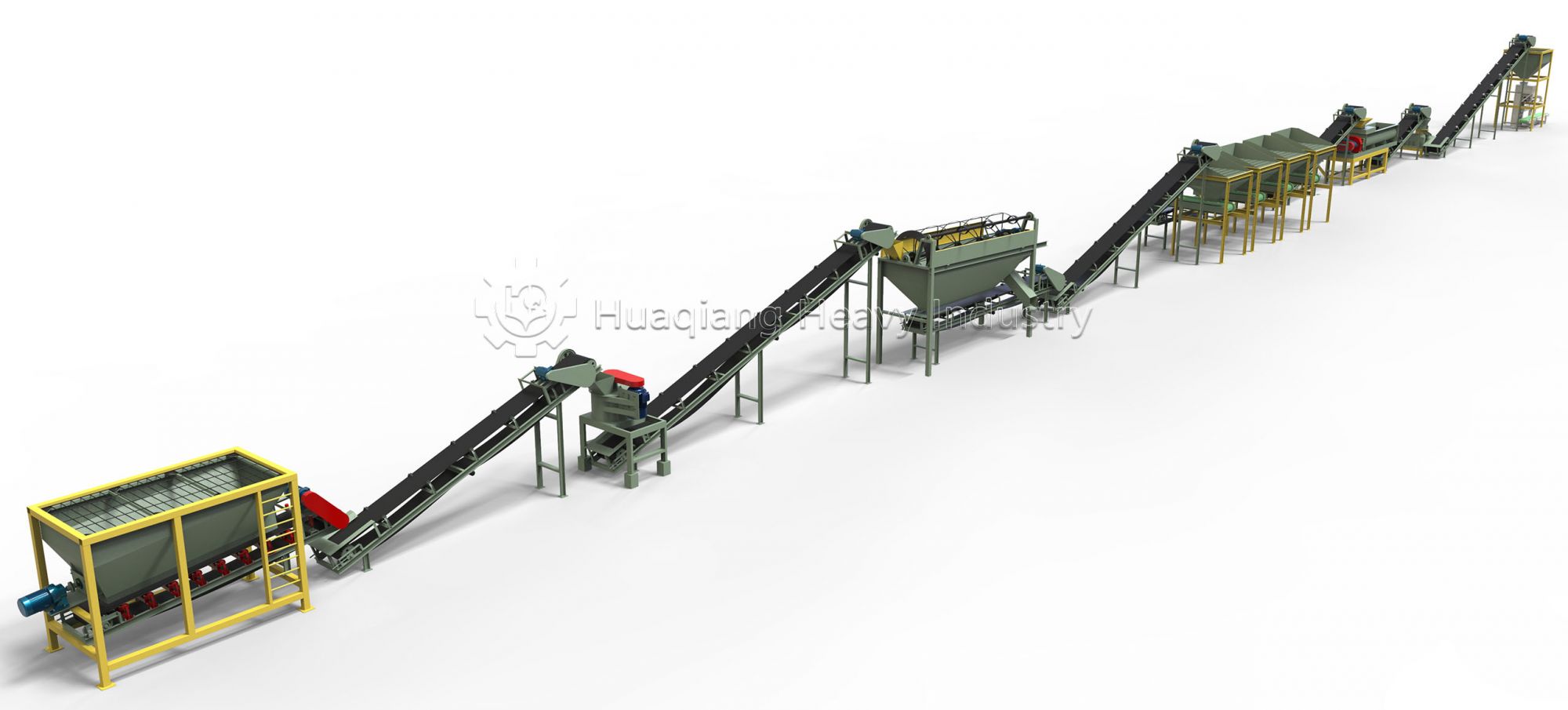
The flat die pellet mill stands out as a truly versatile and economically sound fertilizer granulator machine, purpose‑built to address the unique demands of columnar organic fertilizer production. Whether deployed as a dedicated poultry manure pellet machine for intensive poultry operations or as a multi‑feedstock unit for processing crop residues, municipal organic waste, or composted manure, it consistently delivers high‑throughput performance while keeping energy consumption to a minimum. As a key member of the comprehensive organic fertilizer granulator series, this equipment offers a pragmatic and cost‑effective alternative to capital‑intensive wet granulation lines, making it especially attractive for producers who handle fibrous, high‑moisture, or heat‑sensitive organic materials. The fertilizer flat die pellet machine requires no pre‑drying or chemical binders, and its simple die‑change procedure—coupled with a clear understanding of material moisture and particle size—enables operators to consistently achieve a single‑pass pelletizing rate exceeding 95%, producing cylindrical pellets with compressive strength above 8N. These high‑strength, uniform columns are easy to store, transport, and mechanically apply, reducing dust and nutrient loss during handling. With its four core advantages—columnar geometry, broad moisture tolerance (20‑40%), exceptional granulation efficiency, and low operational cost—the flat die pellet mill empowers small‑to‑medium scale producers to enter or expand their organic fertilizer production granulation business with minimal risk and rapid payback. By mastering routine maintenance and die replacement, users can extend equipment life and ensure consistent product quality. We specialize in the full R&D and manufacturing of flat die pellet mills, offering complete systems and genuine spare parts for columnar organic fertilizer lines—enabling direct granulation of moist feedstocks, pure organic formulation without binders, and a compact footprint of just 2‑3 square meters. Choose the flat die pellet mill to achieve low‑energy, high‑yield production—the smart, sustainable choice for modern organic fertilizer enterprises.