
2026-04-28
Comparison of the Two Granulation Processes
In organic fertilizer production, wet granulation and dry granulation are two mainstream technologies. Wet granulation, represented by disc and drum granulators, requires water or steam to assist in pellet formation and necessitates a subsequent drying process. Dry granulation, centered on roller extrusion, relies on high pressure for direct molding, requiring no liquid addition. Which is better? The answer depends on the characteristics of the raw materials, product positioning, and production conditions.
Wet Granulation: The Cost of a Round Appearance
The core advantage of wet granulation lies in the roundness and high sphericity of the finished pellets, making them more acceptable to the retail market and end-user farmers. Taking disc granulators as an example, the material rolls into pellets within an inclined disc, with an adjustable pellet diameter of 2-6 mm, a smooth surface, and good disintegration properties.
However, the wet method also has significant limitations. After granulation, the moisture content of the material typically increases from 25%-35% in fermented materials to 35%-45%, requiring drying drums and hot air furnaces to reduce the moisture content to below 15%. The drying process consumes a large amount of heat energy, with drying costs per ton of fertilizer approximately 50-70 yuan (coal-fired) or higher (natural gas). Furthermore, high-temperature drying can deactivate some microbial agents; if producing bio-organic fertilizer, functional bacteria must be reintroduced after drying, or high-temperature drying should be avoided altogether.
Dry Granulation: An Energy-Saving and Environmentally Friendly Choice
Dry granulation (roller extrusion) relies entirely on mechanical pressure forming. Powdered materials with a moisture content below 20% are pressed into thin sheets under 20-30 MPa pressure, then crushed and screened to obtain granules. The entire process requires no water or heat, thus eliminating the need for drying drums, hot air furnaces, cooling drums, and associated dust removal systems.
In terms of operating costs, dry granulation consumes approximately 25-35 kWh of electricity per ton of fertilizer, costing only 20-28 yuan, saving over 60% compared to the wet process. Equipment investment is 15%-25% lower, and the footprint is smaller. Furthermore, the dry process operates at low temperatures throughout, preserving the beneficial microorganisms and making it ideal for producing bio-organic fertilizers.
The main drawback of dry granulation is that the granules are irregularly cylindrical or flattened, with poor sphericity. In the agricultural input market, spherical granules often command a price 50-100 yuan/ton higher than irregular granules for the same nutrient content. Additionally, extrusion granulation requires a higher fineness of raw materials, at least 80 mesh, otherwise the granules will easily crumble.
For small organic fertilizer plants with an annual production capacity of less than 5,000 tons, and whose sales channels are primarily retail to farmers, wet granulation is more suitable. The superior appearance of spherical granules can justify a higher retail price, offsetting the higher energy costs. For equipment selection, disc granulators are a preferred choice due to their low investment and ease of operation.
For large-scale production exceeding 10,000 tons per year, and whose products are mainly sold through agricultural input wholesale channels or used in organic farming bases, dry extrusion granulation offers higher overall economic benefits. Taking bio-organic fertilizer as an example, roller extrusion eliminates the need for high-temperature drying, resulting in a functional bacteria survival rate exceeding 90%. In contrast, wet processing, even with post-drying bacterial agents, typically only achieves a survival rate of 60%-70%.
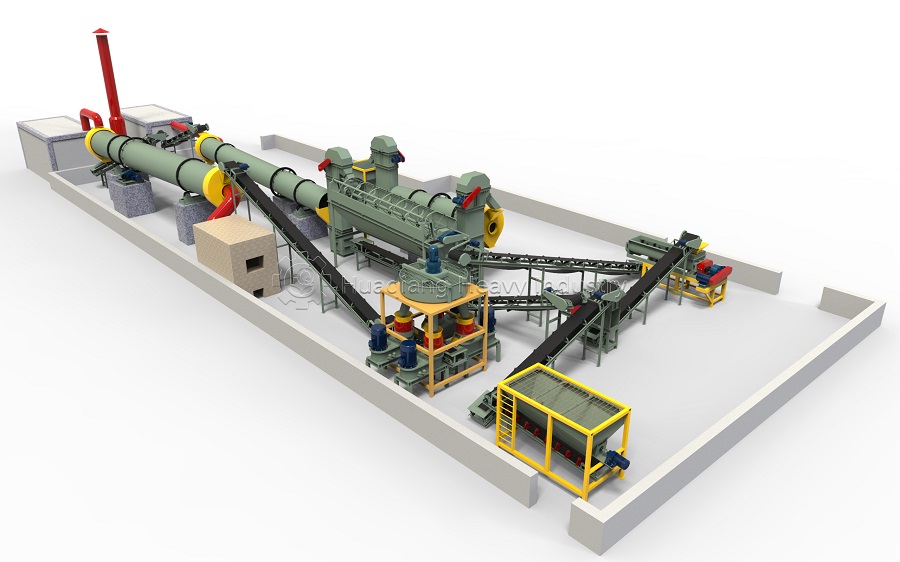
Furthermore, if the raw material itself has a high moisture content (25%-35%), pretreatment costs are high, necessitating drying even in wet processing. Dry processing requires drying the raw material to below 20% moisture content—the energy consumption in this step is also significant. In actual production, many users adopt a "hybrid approach": primarily using dry granulation (roller extrusion), supplemented by a disc granulator to process the fine powder from screening. This leverages the energy-saving advantages of dry processing while improving granule appearance.
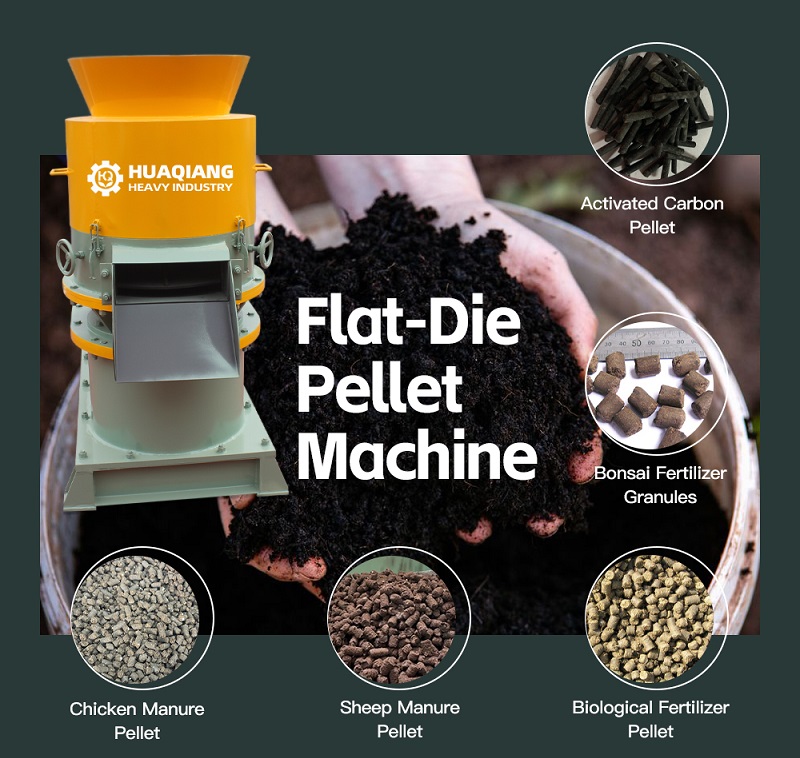
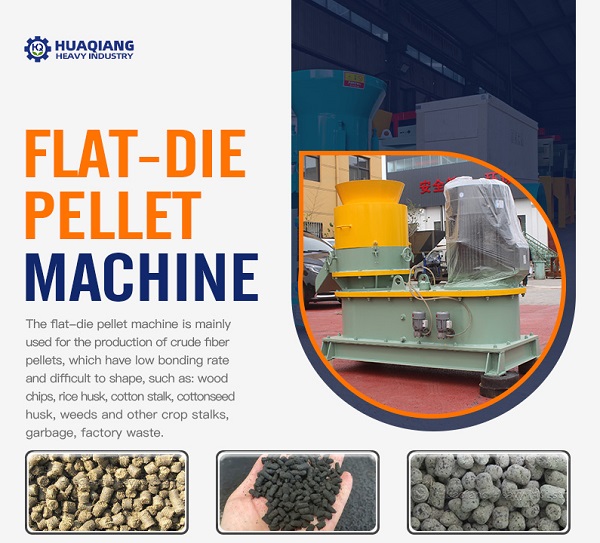
The choice between wet and dry granulation is a fundamental decision in fertilizer production machine technology. Wet granulation (using a rotary drum granulator or disc granulator) produces round, aesthetically pleasing granules through agglomeration, ideal for retail markets. However, it requires a drying step, increasing energy costs. Dry granulation, using a fertilizer compactor (such as a double roller press granulator), achieves fertilizer granules compaction through high mechanical pressure, eliminating the need for drying. This is a key differentiator in fertilizer production machine technology. For a complete npk fertilizer production line, a rotary drum granulator is the standard choice for high-volume spherical granules. For dry compaction, a fertilizer compactor is used. The organic fertilizer granulator series includes both disc granulators (wet) and roller presses (dry). For very small-scale production, a flat die pelleting machine offers a low-cost dry compaction option. For pure blending (BB fertilizer), a npk bulk blending machine is used, which involves no granulation at all. The key factors in the decision are: raw material moisture (<20% for dry, 25%-35% for wet), product appearance requirements (wet produces rounder granules), energy costs (dry saves 60%+), and microbial preservation (dry is better for bio-fertilizers). For large-scale production (>10,000 t/year) where cost and bio-activity are paramount, dry granulation offers higher economic benefits. For small plants with premium retail markets, wet granulation may be preferred. Understanding the trade-offs in fertilizer compaction technology is essential for optimizing organic fertilizer production granulation.
When choosing a granulation process, consider these three questions: Who are your primary customers? Do end customers prioritize granule appearance or cost-effectiveness? Is energy a high percentage of your raw material costs? If appearance premiums are high and energy prices are low, wet processing is worth considering; if maximizing profit per ton and prioritizing long-term operating costs are paramount, dry processing is superior. It's hard to say which process is absolutely better, but there's definitely one that's more suitable for your specific conditions.